
Teak trees hang like swords over their houses
Surrounded by teak plantations, the Panthapra tribal settlement colony faces the threat from falling trees.
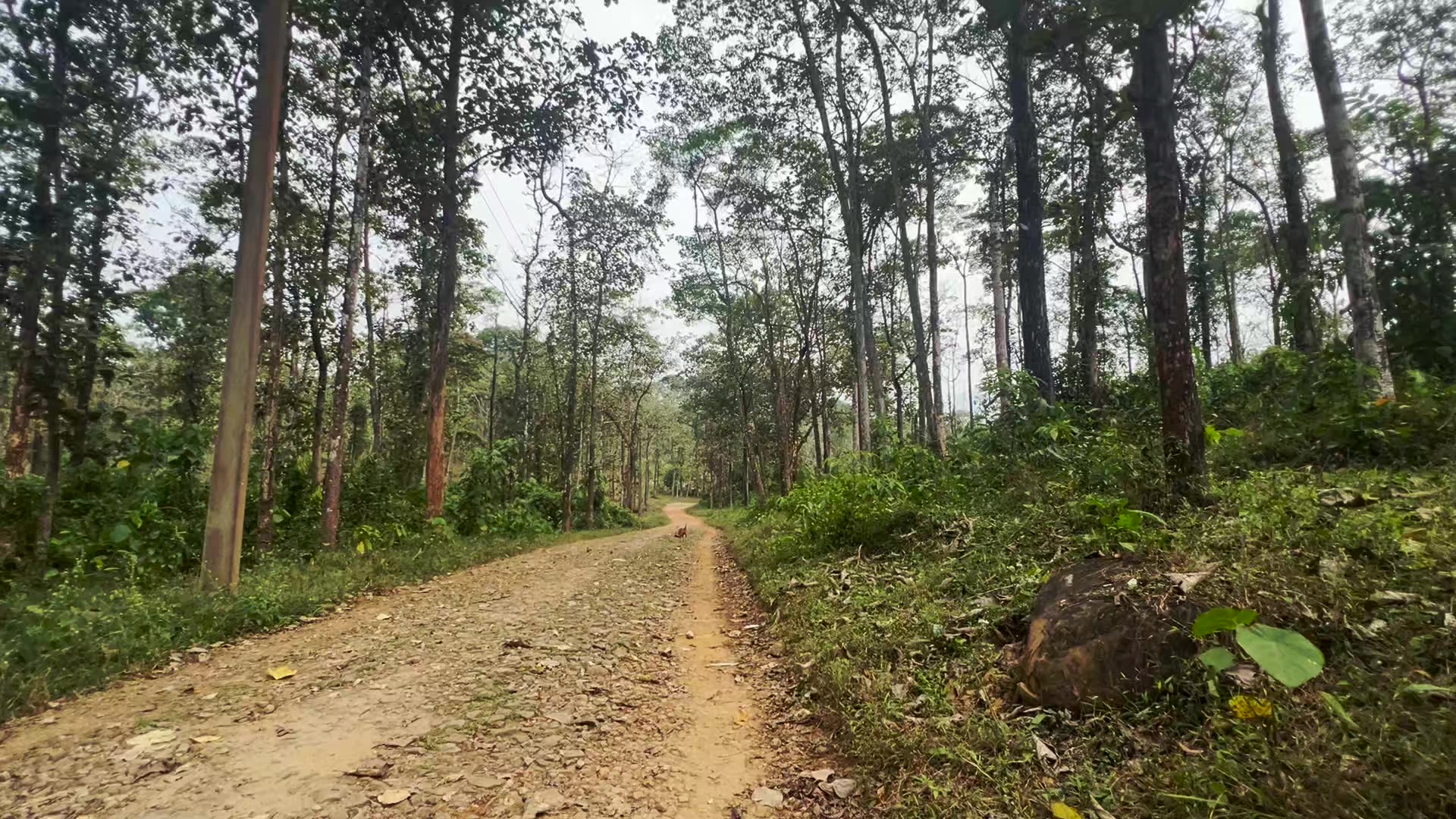

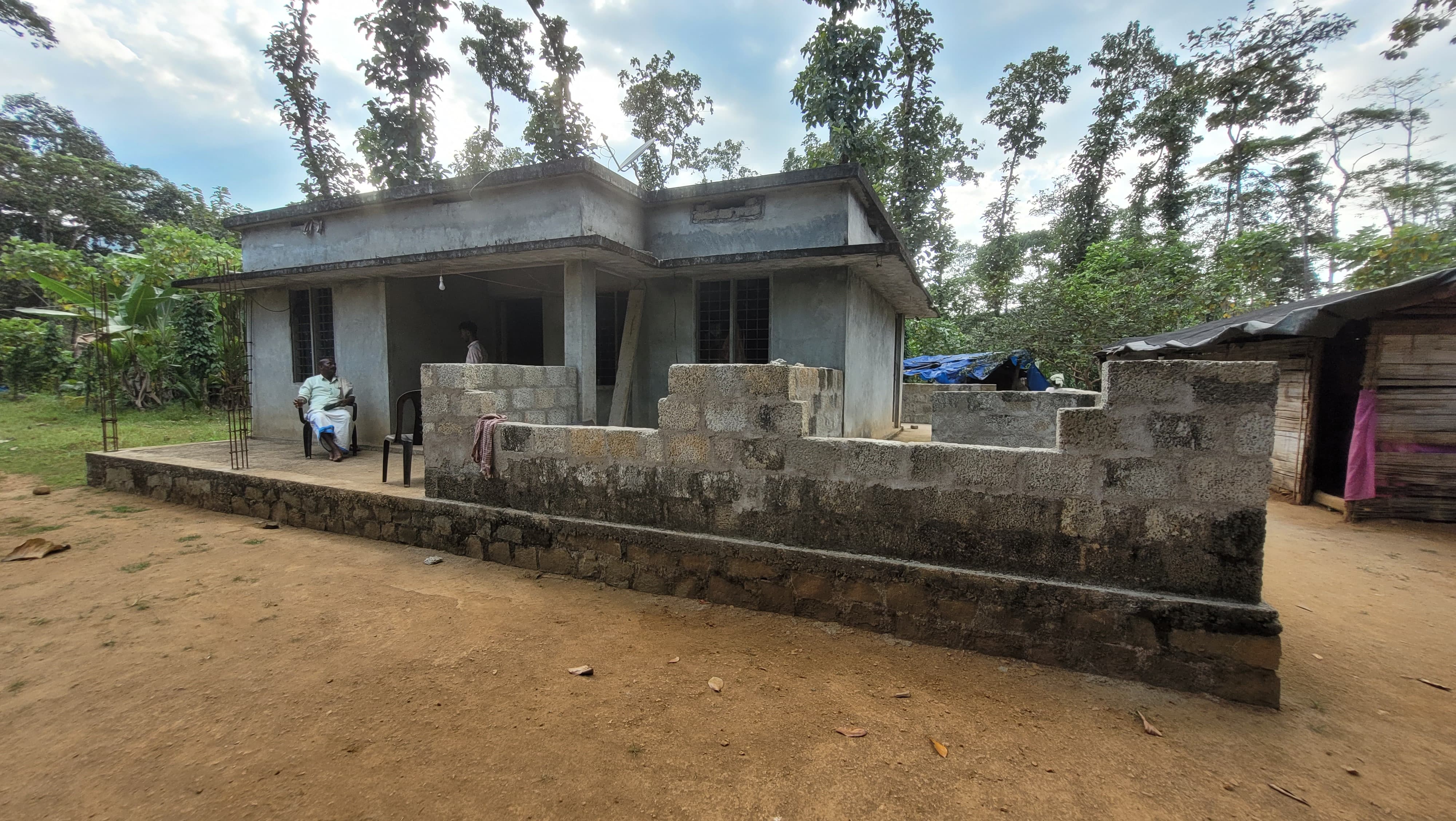
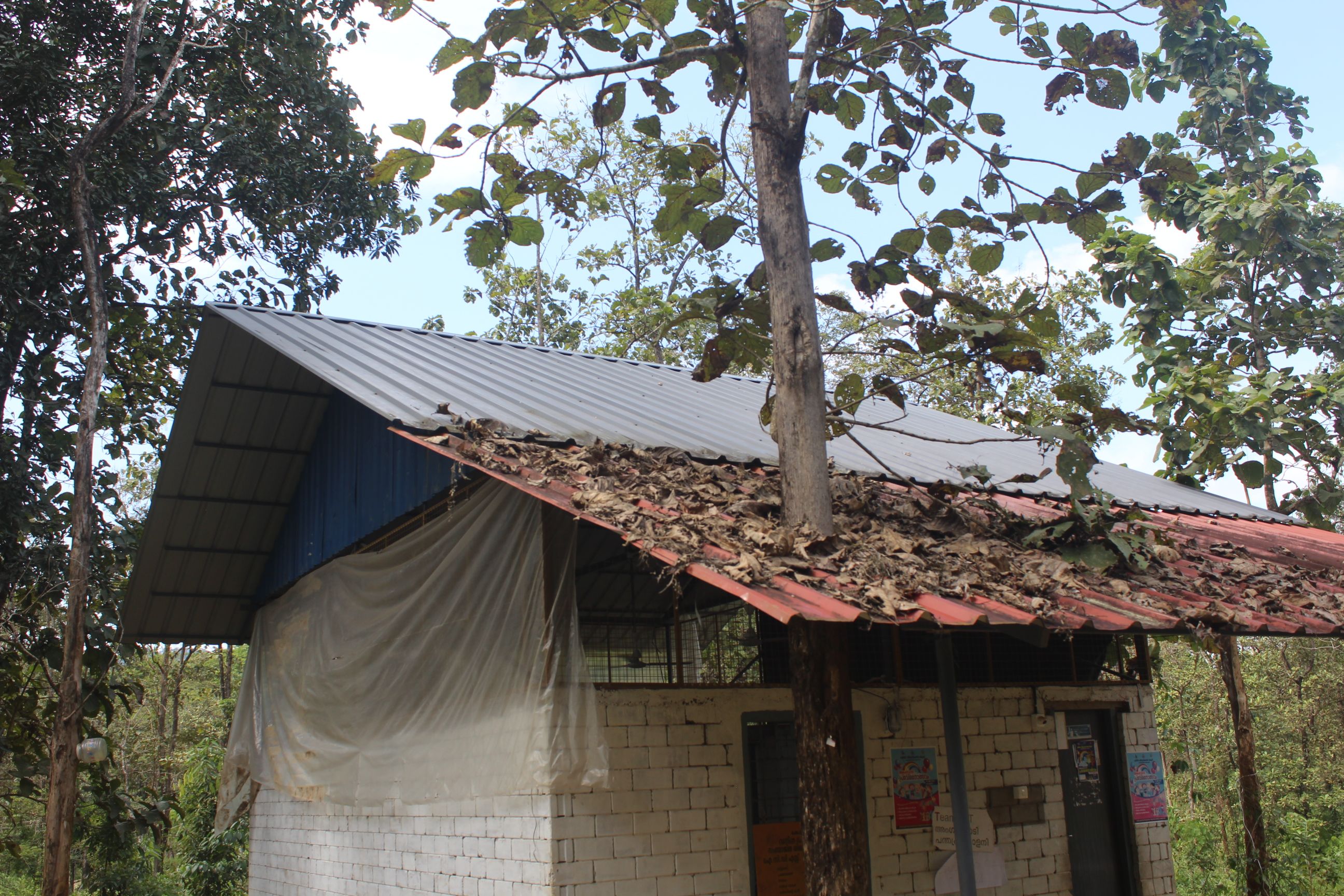
Panthapra (Kochi): Right after you encounter the first set of incomplete houses, painted and tainted with the grey of concrete in the Panthapra tribal settlement colony, you come across a building with a teak tree emerging out of its asbestos roof.
The anganwadi building, where the children from 67 tribal families go, sits under the sinister shades of several teak trees, with the looming threat of branches falling
1) Unconstructed house in Panthapra 2) Teak tree growing through the anganwadi


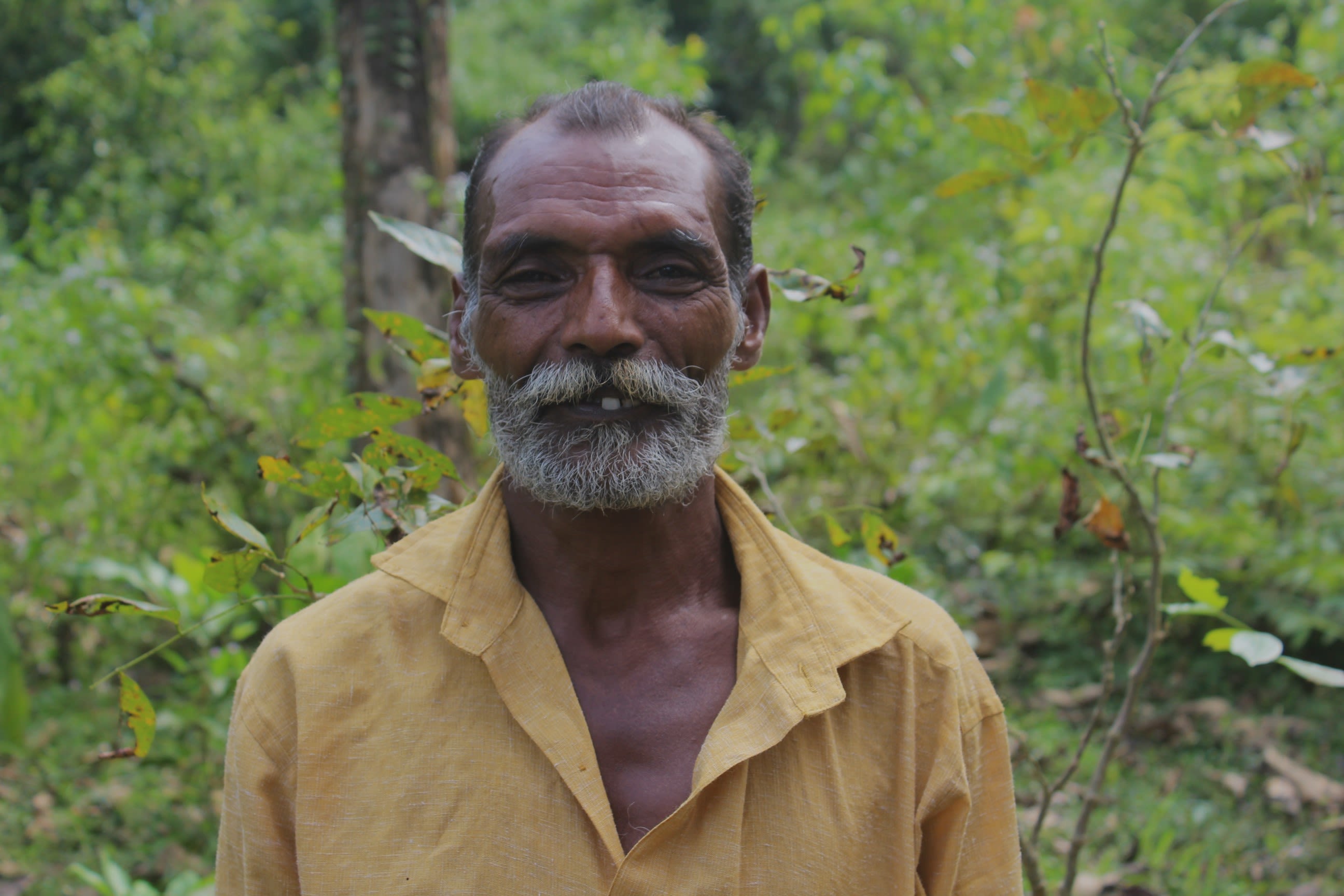
"What will happen if the trees falls on our children?"
Thankappan, 69
Panthapra resident

Teak trees in the Urulanthanny plantation in Panthapra surround almost every house in the locality. These trees as much as they provide the government with an opportunity to cash in, are proving to be much more than a nuisance to the residents in this area.
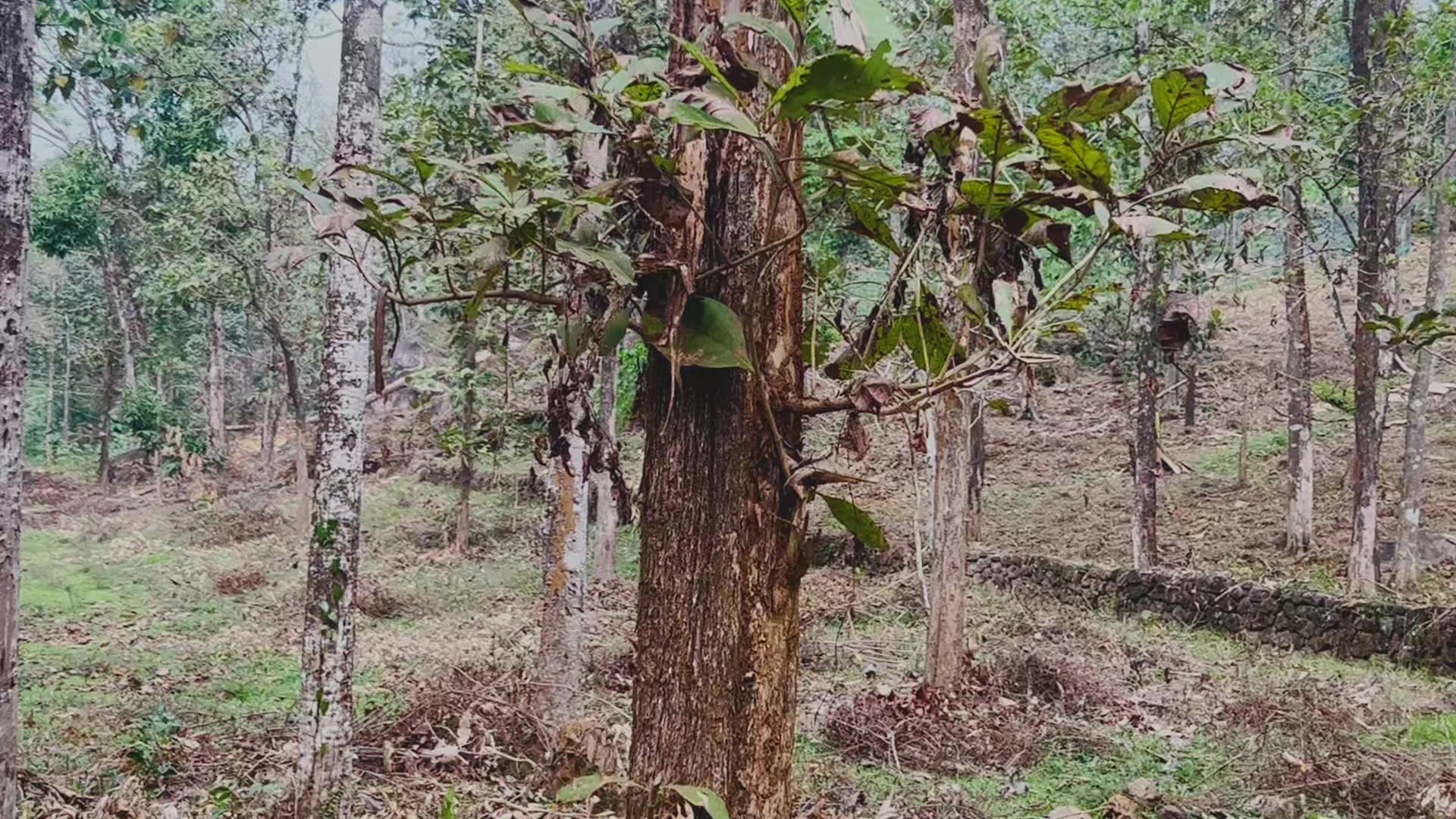

In 2019, permission to fell trees for building houses was given. However, despite this, the trees were not cut down, forcing the families to file a case in the Kerala High Court. Following the verdict of this case, trees in 15 cents of land were cut down. However, the trees there still act as a threat to the life and property of the settlers.
According to Section 14 of the Kerala Restriction on Cutting and Destruction of Valuable Trees Rules, 1974, "no green teak tree shall be permitted to be felled unless its girth at breast height exceeds 1.85 metres."According to the Kuttampuzha Tribal Extension Officer Rajeev, these trees cannot be felled until 2038, as they need to grow for around 60 years.
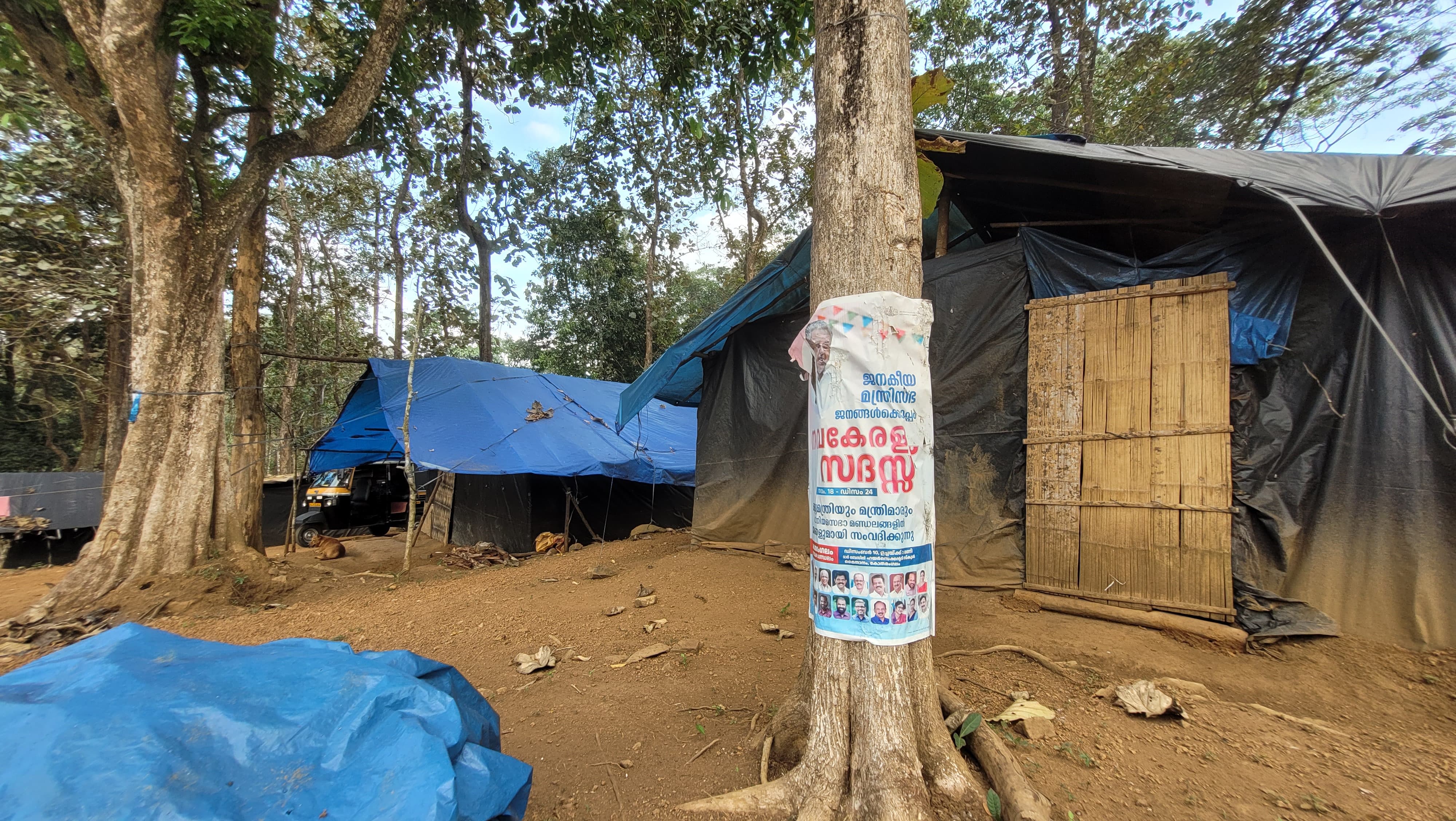
A poster of the "Navakerala Sadhassu", a complaint redressal programme by the Kerala state government stuck on one of the teak trees in the Panthapra tribal colony.

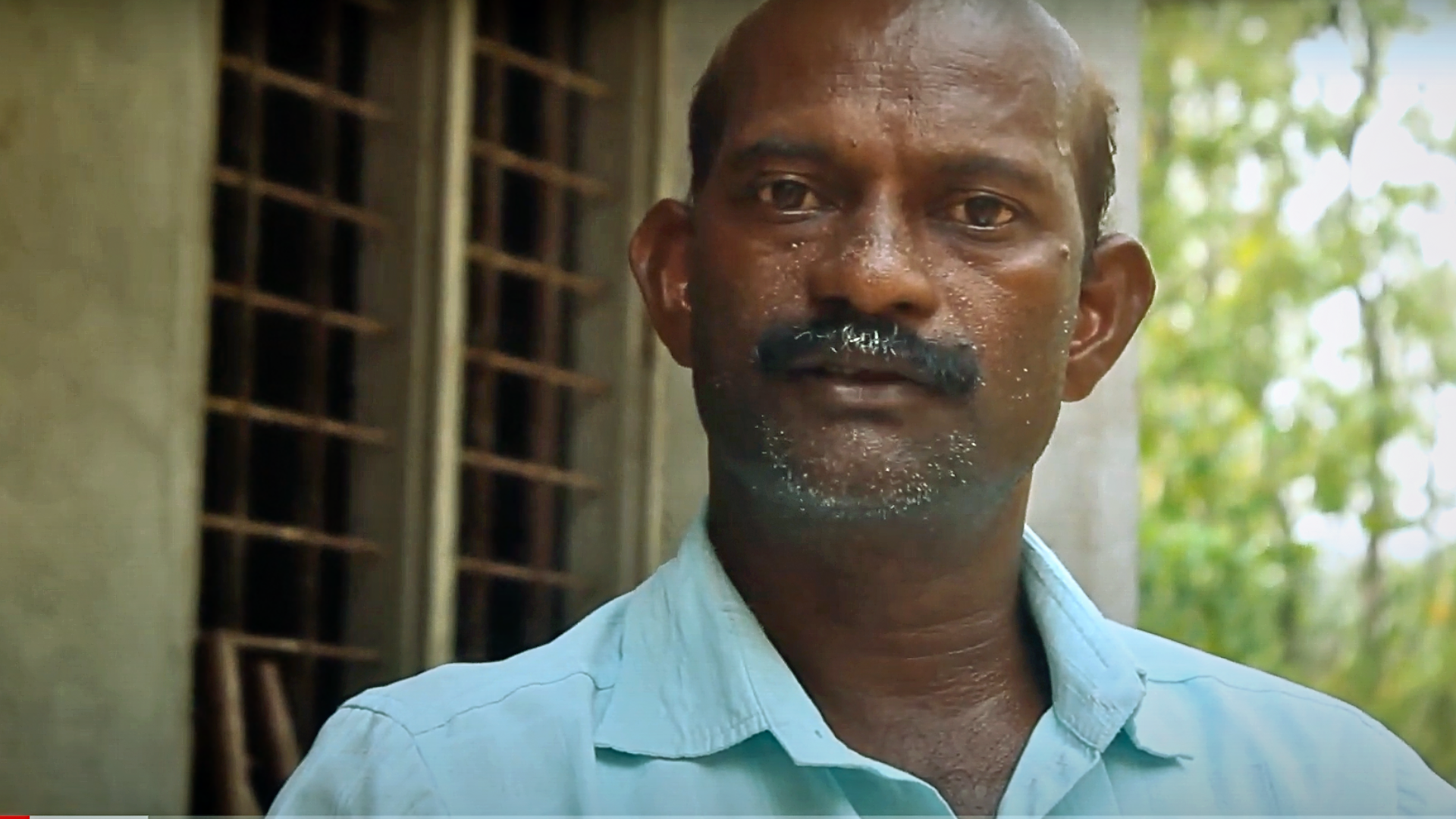
Kuttan Gopalan, Panthapra Ooru Moopan
"In 2022, one of the trees fell on the house of our neighbor Kunjumol," says Kuttan Gopalan, ooru moopan of the Panthapra tribal colony. "The 4-member family had to leave the house."
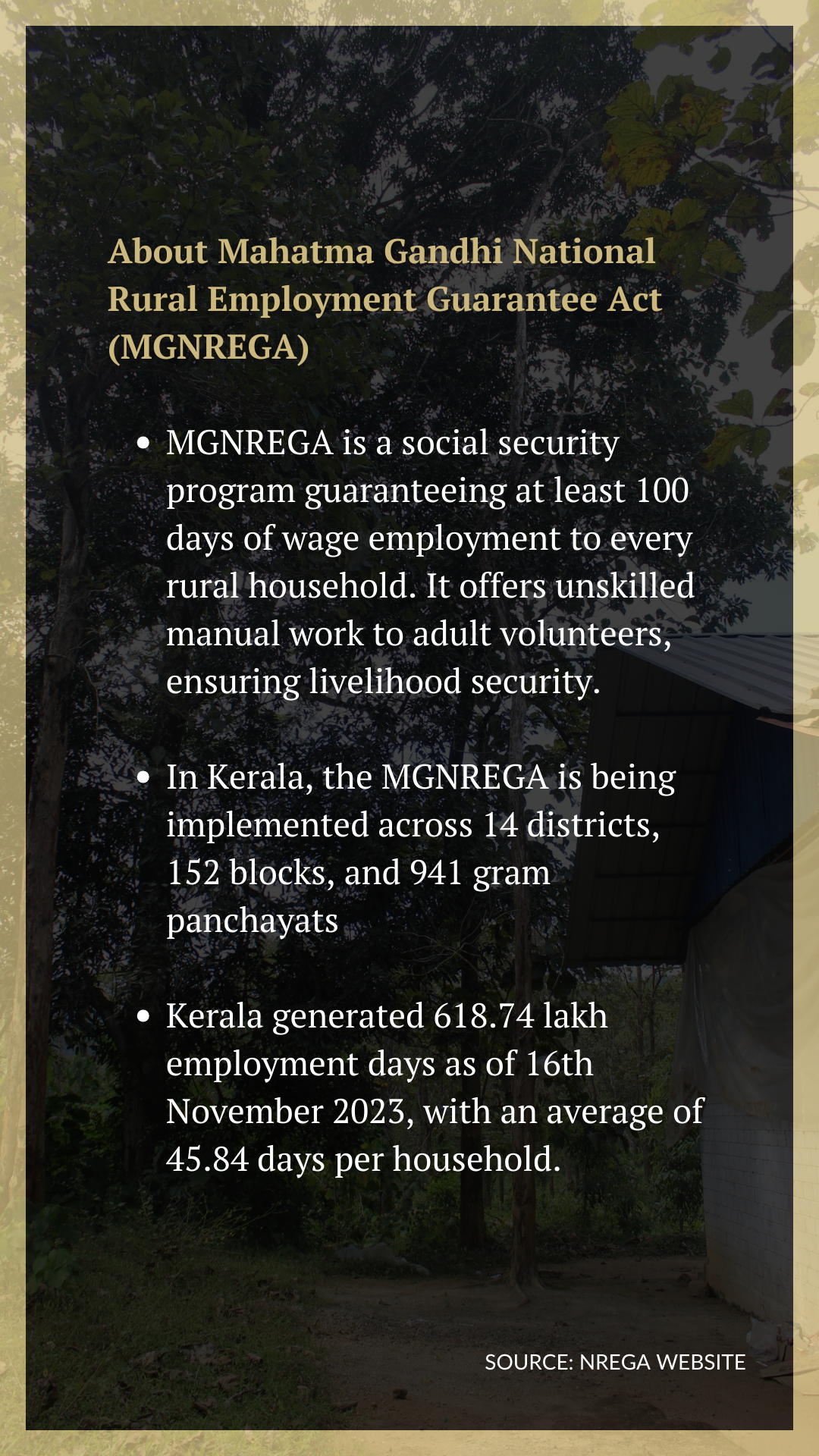
The major source of income for the population of Panthapra is employment through the Mahatma Gandhi National Rural Employment Guarantee Act (MGNREGA).
Omana, 50 is employed through the scheme and goes for work in the neighbourhood. However, due to the teak trees, the temperature in these areas is higher, which makes it difficult for them to work. "In the settlement opposite the stream in Urulanthanny, the temperature isn't this high," says Kuttan.

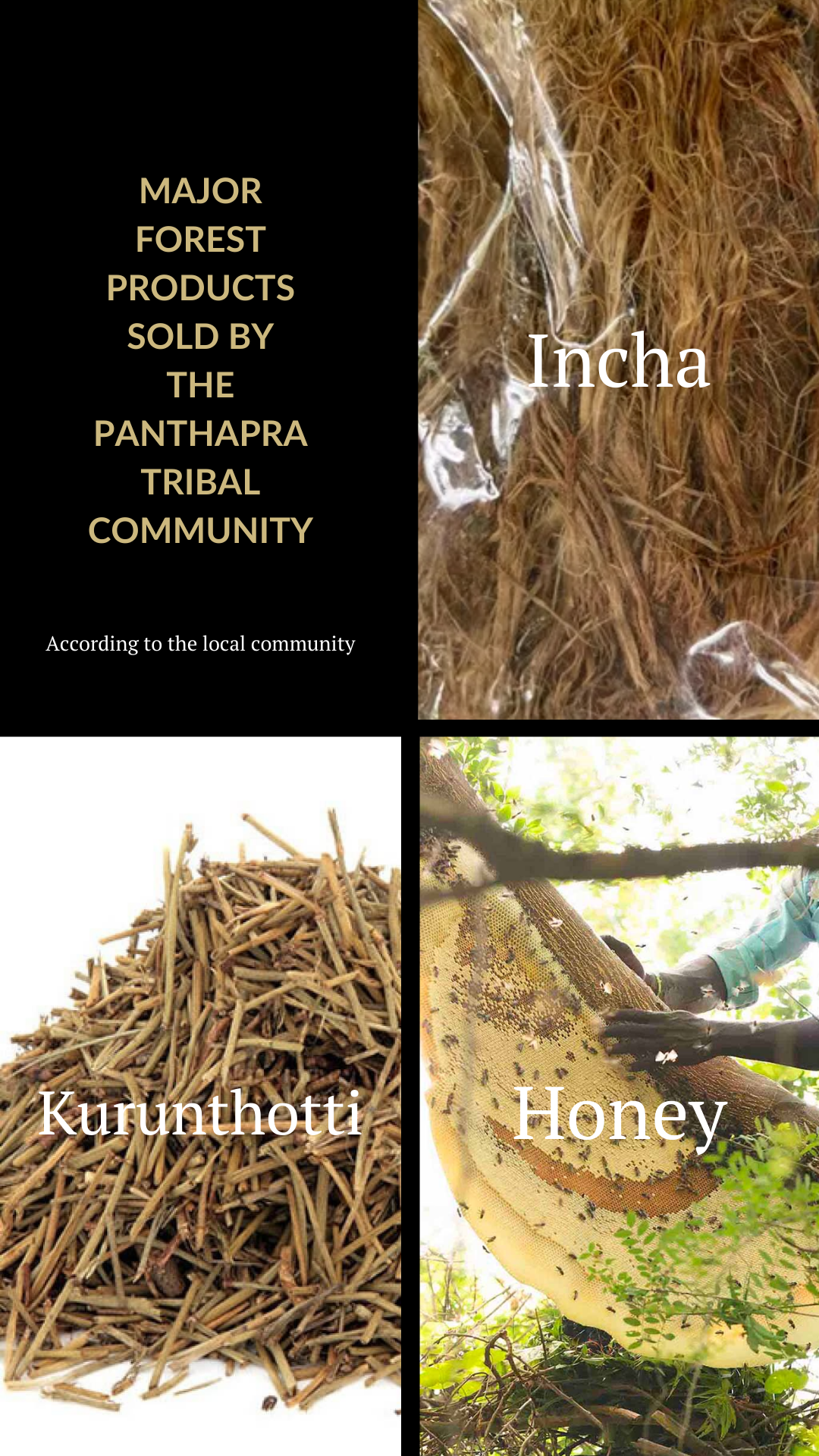
Another source of income for the community comes from collecting forest produce such as incha, kurunthotti and honey. As the trees take up a large share of the area, this prevents the people from cultivating any crops on a large scale.
Families were given cocoa seeds to be planted in Panthapra in 2022. But, these would not grow properly due to the excessive heat and overcrowding in the area.
One crop that is grown in almost every household in Panthapra is the arrowroot.

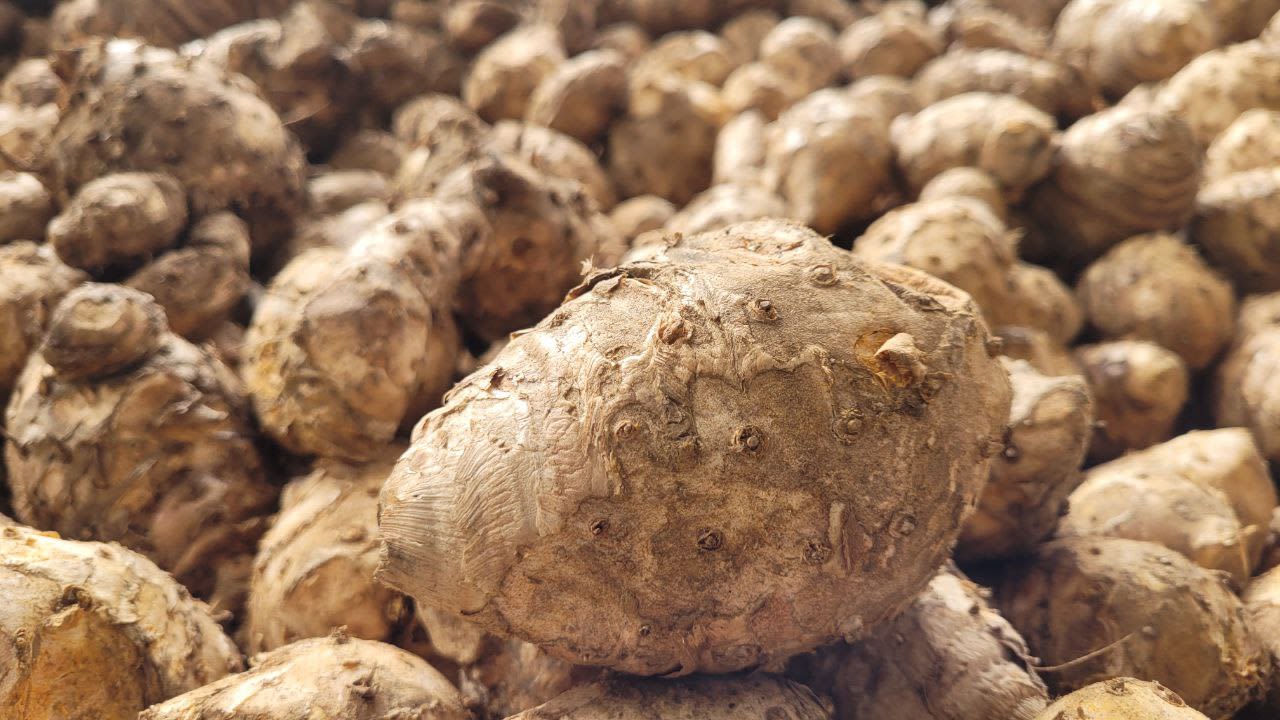
A heap of arrowroot kept for further processing. PICTURE CREDITS: Sophiya Mathew
Rows of tapioca plants planted outside a house in Panthapra colony.
"The animals do not fear humans, they come and go as they please, ruining our crops, alarming the people."- Omana, 50
Despite the limitations they are faced with, the people here cultivate tapioca and plantains in the areas surrounding their houses. However, these attempts too sometimes are in vain as frequent attacks by wild animals such as elephants and wild boars ruin their crops, according to Omana.
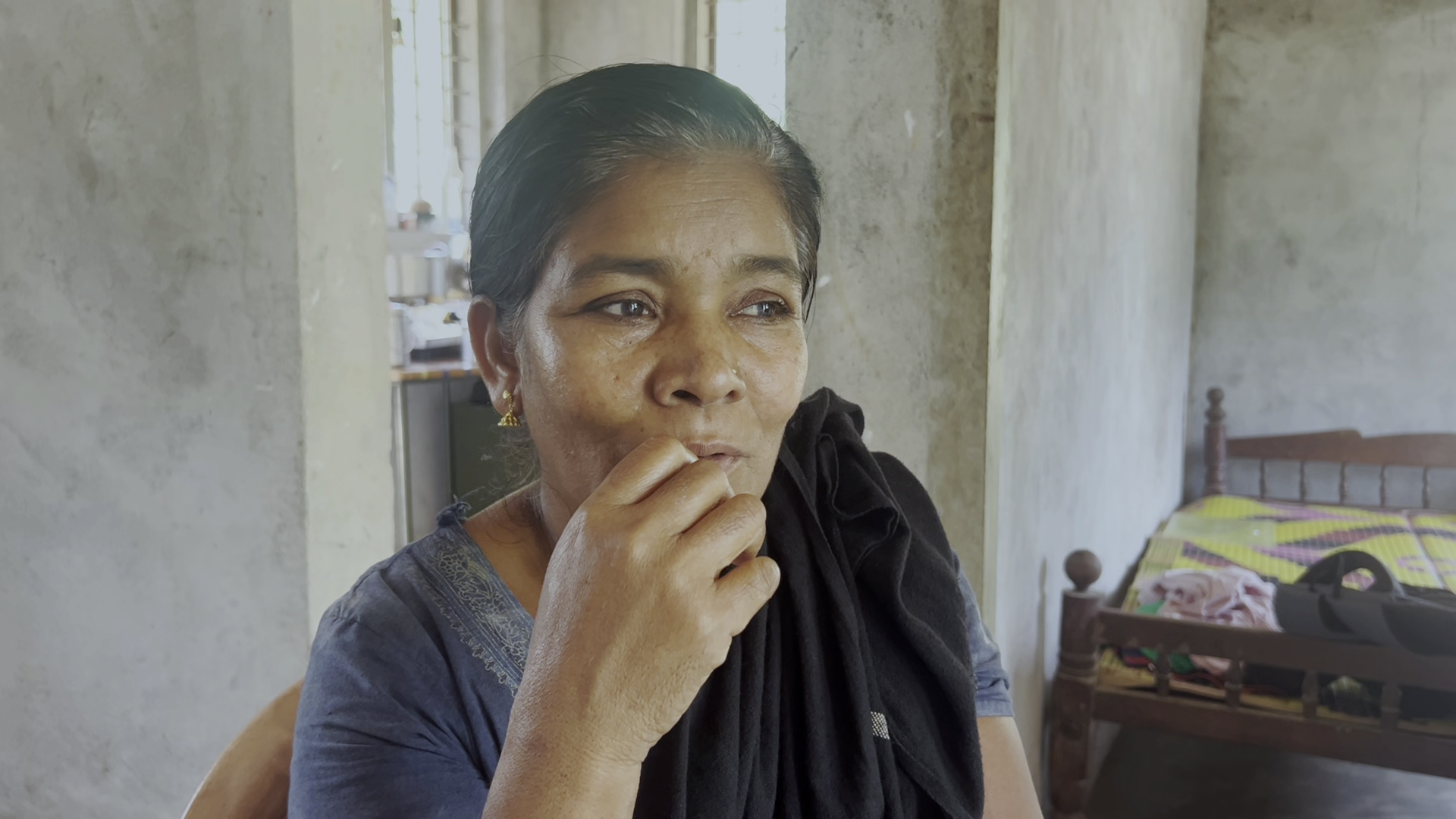
Omana is also one among the many women in Panthapra who is employed through the MGNREGA scheme
"The elephants come near the house almost every day. Electric fences built by the Forest Department do not work or sometimes the elephants manage to knock the electric posts down and destroy our crops," says Mahesh, 19.
These frequent attacks make it necessary for the areas to be cleared. The clearings would help prevent attacks, according to the local people.


Protests and demonstrations to have these trees cleared have been going on since these families from the Mannan and Muthuvan tribes settled here.
These families migrated from Uriampetti and Variam in 2009. Initially, they stayed at Pooyamkutty, on the banks of the Pooyamkutty River, where their shelters would get frequently washed away. Despite these adverse conditions, they stayed there for three years after which they were taken to an area near Mamalakandam.
In 2015, they were given land in the Urulanthanny teak plantation with each family given two hectares of land. "We
were allowed to cut two trees for constructing our houses," says Kuttan.
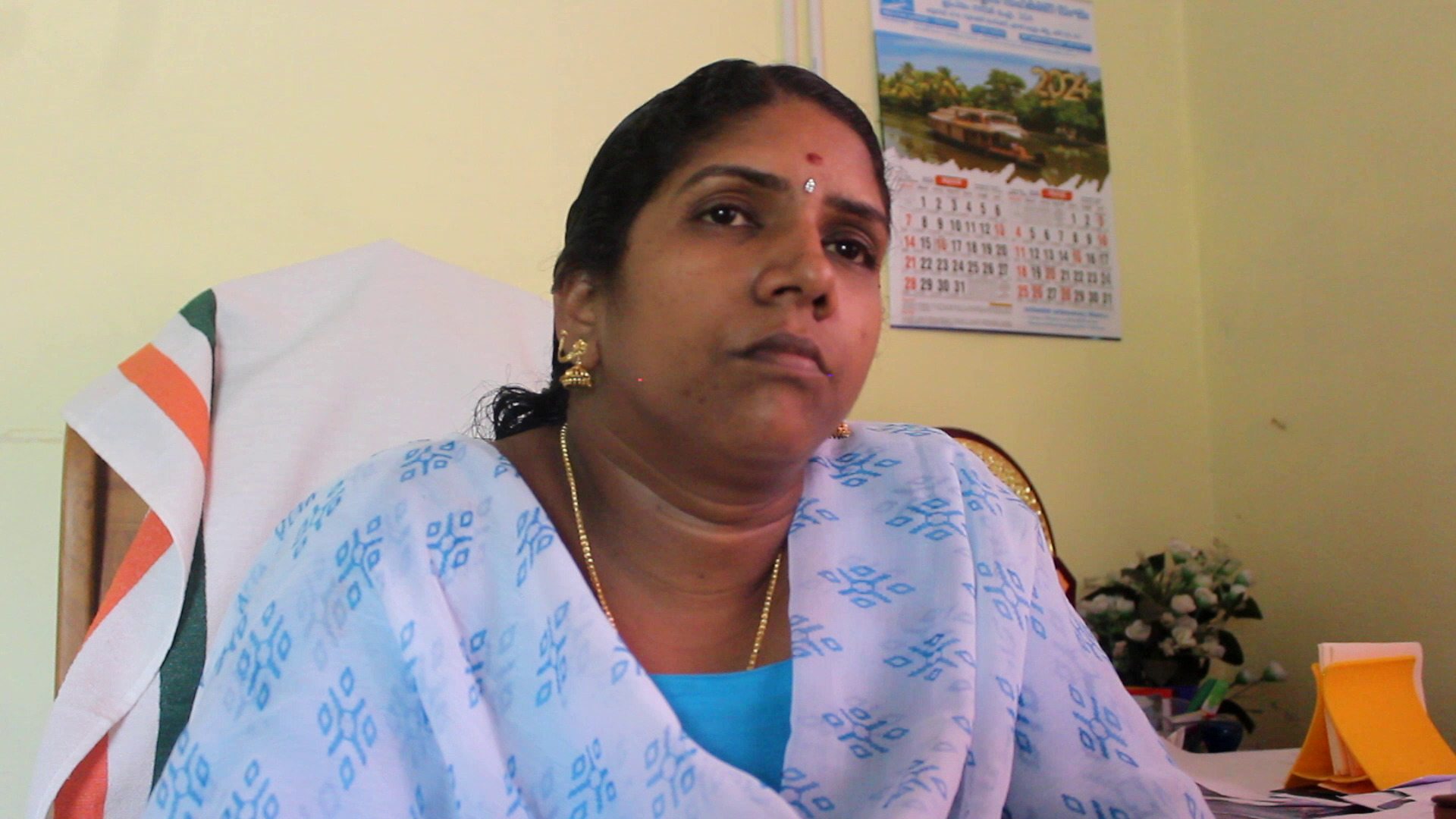
Kuttampuzha Gram Panchayat Kanthi Vellakayyan, first Scheduled Tribe Panchayat President in Ernakulam District
Kanthi Vellakayyan, Kuttampuzha panchayat president, says that since these are not individual properties, they are not
allowed to cut down these trees. "We have made efforts from the panchayat to the state level for some action to be taken. But, there have been no updates," she says.
"We came down from the forests as we needed a better future
for our children. We thought that if we stayed there, it would be
the younger generation who would be the most affected," says
Kuttan. However, for these 67 families, these teak trees are one
among the several roadblocks that hinder their attempts at a
better future. These teak trees stand tall, casting a shadow on the
lives of those living underneath, much like a sword hanging over
their heads.
The tribal families await some intervention from the authorities.

 Built with Shorthand